
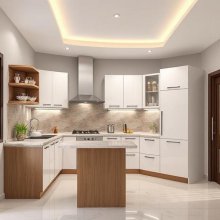
Modular kitchens have become a popular choice in Kerala, blending functionality, aesthetics, and modern design to suit the unique needs of homeowners. With Kerala's humid climate, traditional cooking habits, and evolving interior design trends, selecting the right modular kitchen requires careful planning. Here are the top five factors to consider when designing a modular kitchen in Kerala to ensure it is stylish, practical, and durable.
1. Choosing the Right Layout for Your Space
The layout of a modular kitchen is critical for optimizing space and ensuring efficient workflow. Kerala homes, ranging from compact urban apartments to spacious villas, demand layouts that balance functionality and aesthetics. Common modular kitchen layouts include:
Straight Kitchen: Ideal for small apartments, this single-wall setup places all appliances and counters along one wall, minimizing movement and maximizing space efficiency.
L-Shaped Kitchen: Popular for small to medium-sized homes, this layout uses two adjacent walls, offering ample counter space and flexibility for open-plan designs.
U-Shaped Kitchen: Best for larger homes, this layout provides extensive storage and countertop space across three walls, perfect for families with multiple cooks.
Island Kitchen: A trendy choice for spacious homes, it includes a central countertop for prep or dining, enhancing both functionality and social interaction.
Parallel (Galley) Kitchen: Suited for narrow spaces, this layout features two parallel counters, ideal for households with multiple cooks.
Consider the kitchen triangle concept—positioning the sink, stove, and refrigerator to form a triangle for smooth workflow. In Kerala, where space constraints are common in urban areas, consulting a professional interior designer can help tailor the layout to your home’s dimensions and your cooking habits.
2. Selecting Durable and Moisture-Resistant Materials
Kerala’s humid climate and frequent monsoon seasons make material selection a top priority. The constant exposure to moisture from cooking and weather can damage low-quality materials, leading to bacterial growth or warping. Key material options include:
Marine Plywood: Highly durable and boiling waterproof, marine plywood is ideal for Kerala’s humidity. Though slightly expensive, its longevity makes it cost-effective over time.
Medium-Density Fiberboard (MDF): A cost-effective alternative to plywood, MDF offers a smooth surface for laminates or paint but requires proper sealing to withstand moisture.
Stainless Steel: Hygienic, rust-resistant, and easy to maintain, stainless steel is perfect for countertops, cabinets, or sinks, offering a modern aesthetic.
Laminates: Affordable and available in various designs, laminates mimic natural materials like wood or stone while being low-maintenance and moisture-resistant.
Granite or Quartz Countertops: These materials are durable, heat-resistant, and easy to clean, making them ideal for Kerala’s heavy cooking demands.
Choose materials that balance durability with aesthetics, and ensure proper lamination or sealing to protect against humidity. Consulting with reputable firms like Lira Kitchen or Evershine Agencies can provide access to high-quality, locally suitable materials.
3. Ensuring Effective Ventilation
Kerala’s cooking style often involves the heavy use of spices and oils, producing strong odors and smoke. Without proper ventilation, these can linger, causing discomfort and staining walls with ash. A high-quality kitchen hood or chimney is essential to clear smoke and odors efficiently. When selecting a hood:
Calculate the appropriate size based on your kitchen’s dimensions—neither too small nor oversized.
Opt for models with strong suction power to handle the demands of Kerala-style cooking.
Ensure regular maintenance to maintain efficiency.
Additionally, incorporate natural ventilation through windows or exhaust fans to enhance air circulation and maintain a fresh kitchen environment.
4. Maximizing Storage and Functionality
Storage is a key consideration in modular kitchens, especially in Kerala, where households often require space for spices, utensils, and appliances. Modular kitchens excel in offering customizable storage solutions, such as:
Sliding Cabinets: Space-saving and efficient, these are ideal for compact kitchens.
Pull-Out Drawers and Baskets: Perfect for organizing spices, cutlery, and small appliances.
Loft Storage: Maximizes vertical space in small kitchens, keeping frequently used items accessible.
Corner Units and Wall-Mounted Racks: Utilize awkward spaces effectively, reducing clutter.
Integrate appliances like microwaves or dishwashers into the design to minimize movement and enhance efficiency. Work with designers to customize storage based on your cooking habits and family size. For example, brands like Uniwood offer tailored solutions that cater to Kerala’s traditional and modern cooking needs.
5. Balancing Aesthetics with Practicality
A modular kitchen in Kerala should reflect both personal style and the region’s cultural aesthetic. Contemporary designs with clean lines and minimalistic looks are trending, but they can incorporate traditional Kerala elements like wooden textures or earthy tones for a tropical vibe. Key aesthetic considerations include:
Color Schemes: White, grey, or beige tones create an elegant, timeless look, while bold colors can add vibrancy. Ensure the color palette complements your home’s overall theme.
Lighting: Combine natural light with task lighting (e.g., under-cabinet LEDs) to enhance functionality and ambiance.
Personalization: Add custom touches like unique cabinet handles, textured laminates, or a central island for a modern yet personalized feel.
Work with experienced designers, such as those from VC Interiors or Atlas Interiors, to blend style with practicality. They can provide 3D renderings to visualize the design before implementation, ensuring it aligns with your vision.
Conclusion
Designing a modular kitchen in Kerala requires thoughtful consideration of layout, materials, ventilation, storage, and aesthetics. By choosing a layout that maximizes space, selecting durable and moisture-resistant materials, ensuring proper ventilation, optimizing storage, and balancing style with functionality, you can create a kitchen that enhances both your cooking experience and your home’s value. Collaborate with reputable designers like Lira Kitchen, Uniwood, or Evershine Agencies to bring your vision to life, tailored to Kerala’s unique climate and cultural preferences. With careful planning, your modular kitchen can be a stylish, efficient, and durable centerpiece of your home.