
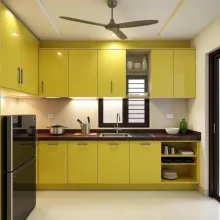
Kerala's traditional kitchens have long been the heart of our homes, with their spacious layouts, wood-fired stoves, and time-honored cooking methods. However, as lifestyles evolve and space becomes premium, many homeowners are discovering the compelling advantages of modular kitchen designs. Let's explore why making this transition might be the perfect upgrade for your home.
Space Optimization: Every Inch Counts
Traditional Kerala kitchens, while charming, often struggle with efficient space utilization. Modular kitchens excel in maximizing every available inch through intelligent design. Corner units, pull-out drawers, and vertical storage solutions ensure that even compact spaces can accommodate all your cooking essentials. Unlike traditional setups where storage often means open shelves collecting dust and grease, modular systems offer enclosed, organized compartments that keep everything accessible yet protected.
Maintenance Made Simple
Anyone who's maintained a traditional Kerala kitchen knows the challenges: smoke-stained walls, grease buildup on open surfaces, and the constant battle against humidity. Modular kitchens address these issues with easy-to-clean surfaces, proper ventilation systems, and materials specifically chosen for durability in tropical climates. Laminated surfaces wipe clean effortlessly, while organized storage reduces clutter that traditionally accumulates in open kitchen spaces.
Enhanced Functionality and Ergonomics
Modern modular designs prioritize user comfort and workflow efficiency. The classic "kitchen triangle" concept—connecting stove, sink, and refrigerator—is naturally incorporated into modular layouts. Soft-close drawers, adjustable shelving, and ergonomically positioned counters reduce physical strain during cooking. Traditional kitchens, while spacious, often require excessive movement between work areas, making daily cooking more laborious than necessary.
Aesthetic Appeal and Home Value
While traditional Kerala kitchens possess undeniable rustic charm, modular designs offer contemporary elegance that appeals to modern sensibilities. Clean lines, coordinated color schemes, and integrated appliances create a sophisticated look that enhances overall home value. This aesthetic upgrade becomes particularly valuable when considering resale potential or impressing guests.
Cost-Effectiveness Over Time
Initial investment in modular kitchens might seem higher than traditional setups, but long-term economics favor the modular approach. Reduced maintenance costs, energy-efficient appliances, and durability of materials translate to significant savings over years. Traditional kitchens often require frequent repairs, painting, and component replacements that accumulate substantial costs over time.
Adaptability and Customization
Perhaps the greatest advantage lies in adaptability. Modular systems can be reconfigured, expanded, or updated as needs change. Growing families, lifestyle changes, or simply wanting a fresh look become manageable with modular flexibility. Traditional kitchens, once built, offer limited modification options without major reconstruction.
Making the Right Choice
The decision between modular and traditional kitchens ultimately depends on your priorities, budget, and lifestyle. If you value efficiency, modern aesthetics, and long-term convenience, modular kitchens offer compelling advantages. However, if you cherish traditional cooking methods and have ample space, a hybrid approach might work—incorporating modular storage solutions within a traditional framework.
As Kerala homes continue evolving with changing lifestyles, modular kitchens represent a thoughtful balance between functionality and modern living. They don't just change how your kitchen looks; they transform how you experience cooking and living in your home.